Hawaii's Ornamental and Aquarium Fish Trade

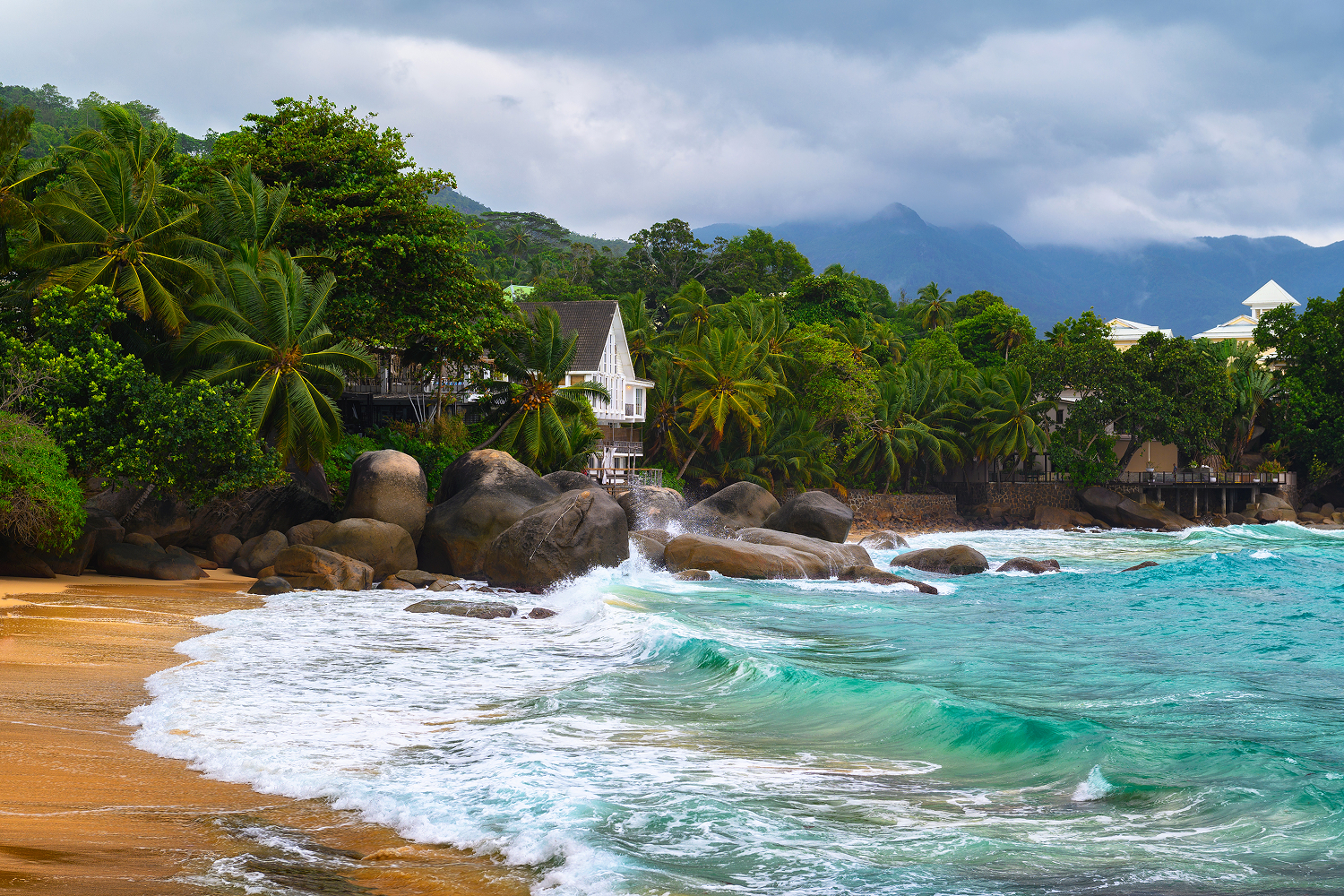
If you've ever been to any of the beautiful islands of Hawaii, you know that a major attraction is the abundance of life that is teeming in the waters that surround our beautiful islands. Snorkeling, diving, or even swimming in the clear ocean can provide you a glimpse into the colorful and diverse underwater world that exists just off the shores of the Hawaiian Islands

If you're a fish tank enthusiast, then you've almost certainly taken a little more from the experience, knowing that the waters of the South Pacific that encompass the islands of Hawaii are home to myriad tropical fish that are an absolute thrill to view in their natural environment.

What an aquarium minded person might also note is that many of the tropical fish available for sale to the home fish aquarium market also come from the aquamarine waters of Hawaii. In fact, many custom aquariums around the world are likely to contain numerous species of tropical fish that are collected from reefs around the islands of Hawaii, and Hawaii as a state is the nation's biggest aquarium species exporter.

To put the numbers into perspective, let's take a look at 1994, when just over 400,000 ornamental fish were reported to be collected in the state of Hawaii, representing over 200 species. The value of this trade was estimated to be $850,000, and provided just under 100 full time jobs. That's a lot of tropical fish that found their way into someone's acrylic aquarium, but ten years later, the numbers have risen even more. In 2004, over 550,000 ornamental fish were caught, representing a rise of around 28%. The value of these fish jumped to $1.08 million and more and more licenses are being issued to those that make this their profession.

With very few exceptions, all it takes to collect as many species as you would want to fill your acrylic fish tank from just about wherever you would want is a fishing license, a boat, and a scoop net, although there does exist monthly monitoring of fish by species and islands, as well as close monitoring of export figures.

Even with the regulation and the protection, however, in some cases it does not seem to be enough to prevent the harming of the fragile ecosystems that exist in Hawaii. Some marine biologists worry that the removal of all of these plant eating fish from the reefs that exist close to shore could lead to an eventual overgrowth of algae. Many of the established collectors are concerned that the short-term collectors don't seem to care about protecting the reefs for the next season's collection, and are more worried with stocking the fish supplies stores with their Hawaiian species than doing it in a renewable manner. Even those who make their livings by offering snorkel and scuba tours of the nearby reefs are beginning to note that the reefs are being mined of their natural and beautiful treasures.

There are, however, explicitly defined areas that are being protected from tropical fish collection in the state of Hawaii. In December of 1999 the state legislature passed a collection control measure that made around 35% of the west coast of the Big Island (known as the Kona Coast) off limits to tropical fish collection, and the results have been encouraging. Not only has this measure not negatively impacted the health of the industry as was feared, but it has also proven that tourism and conservation can indeed coexist with an effectively regulated tropical fish collection industry. Similar measures are being considered around the waters that surround the Hawaiian Islands.

spacer