 Back
Back 
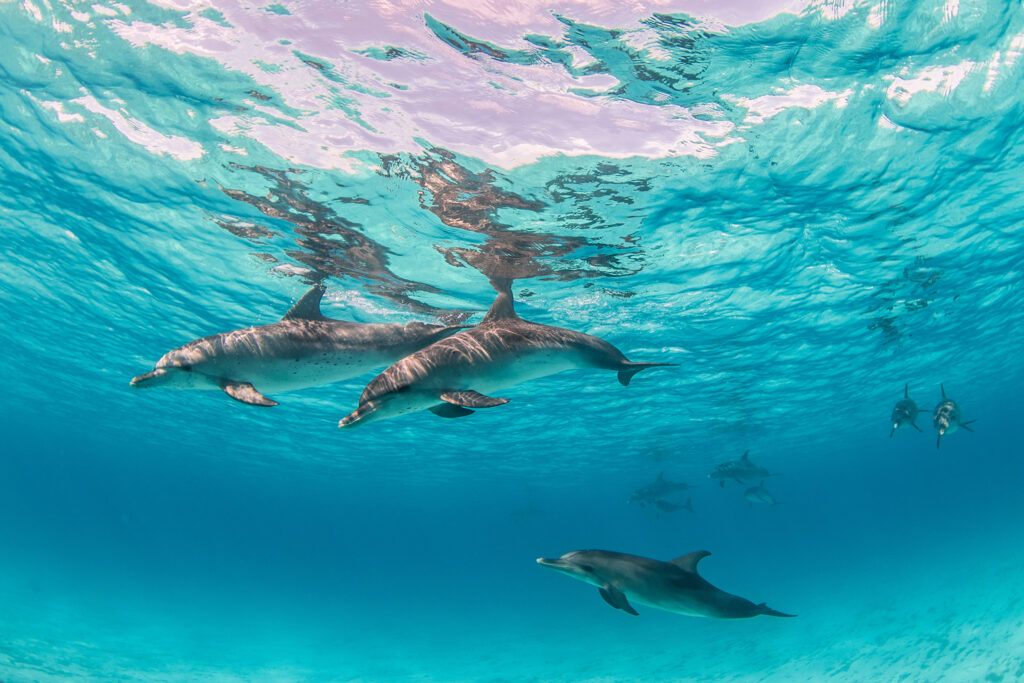
Hawaii is one of the most rewarding places in the world to snorkel. The place is full of warm, clear water, healthy reefs, and marine life you won’t see almost anywhere else.
But “Hawaii” isn’t just one destination. It’s six major islands, each with its own coastline, seasons, and standout spots.
Some of the best places to snorkel in Hawaii include Hanauma Bay on Oahu, Molokini Crater and Honolua Bay on Maui, Kealakekua Bay and Two Step on the Big Island, and Tunnels Beach and Poipu Beach on Kauai. Here’s a closer look at each, plus a few more worth adding to your list.
| Snorkeling Spot | Island | Best For | Experience Type | Notable Marine Life |
| Hanauma Bay | Oahu | Beginners, first-timers | Shore, protected bay | Parrotfish, butterflyfish, green sea turtles |
| Shark’s Cove | Oahu | Intermediate snorkelers, tide pools | Shore, lava rock cove | Octopus, eels, tropical reef fish |
| Molokini Crater | Maui | Water clarity, boat tours | Boat, volcanic crater | 250+ fish species, occasional manta rays |
| Honolua Bay | Maui | Healthy coral, marine reserve | Shore, bay | Green sea turtles, large reef fish |
| Kealakekua Bay | Big Island | History plus snorkeling | Boat, kayak, or long swim | Spinner dolphins, coral gardens |
| Two Step | Big Island | Easy shore access | Shore, lava-shelf entry | Green sea turtles, coral, reef fish |
| Tunnels Beach | Kauai | Summer snorkeling, lava tubes | Shore, reef | Green sea turtles, diverse reef fish |
| Poipu Beach | Kauai | Families, year-round option | Shore, sandy beach | Monk seals, honu, reef fish |
Best Places to Snorkel on Oahu: 3 Spots Worth Visiting
Oahu offers some of the most accessible snorkeling in Hawaii. This makes it a good option if you want to do snorkeling and still save some time to spend in your Hawaiian vacation rental. Let’s check out the best spots to snorkel in Oahu:
-
Hanauma Bay
Hanauma Bay is one of the most well-known snorkeling spots in Oahu. This volcanic crater turned marine preserve has calm, shallow water near shore for first-timers, plus a deeper outer reef for confident swimmers hoping to see turtles and larger fish.
Tourists need an online reservation, which opens two days ahead at 7 a.m. Hawaii time and often sells out in minutes. Entry is $25 for ages 13+ (12 and under free), plus $3 parking, and everyone watches a short conservation video first. The bay is closed Mondays and Tuesdays to rest the reef, so plan accordingly.
-
Shark’s Cove
Despite the name, Shark’s Cove is not known for sharks. There is nothing to worry about as such. Shark’s Cove is a lava-rock cove known for tide pools, small caves, octopus, and reef fish. It is essentially a summer-only snorkeling spot because from roughly November through February, North Shore swells turn genuinely dangerous.
-
Kahe Point (Electric Beach)
Kahe Point is nicknamed “Electric Beach” because of the warm water discharged by a nearby power plant. Being situated on Oahu’s west side, the place draws an unusual amount of marine life for its size, including turtles, spotted eagle rays, and occasionally spinner dolphins.
It suits intermediate or advanced snorkelers best, since currents build quickly past the shore break. Summer is calmer here too.
Browse Our Hawaii Vacation Rentals and Find the Stay That’s Perfect for You
Handpicked condos, beachfront homes and family villas — exclusively curated for travelers who want to skip the guesswork.

Explore the Best Places to Snorkel in Maui
Maui’s snorkeling generally falls into two categories: boat trips to offshore sites and shore snorkeling in protected bays. Choose to stay in a Maui vacation rental near Maui’s south or west coast to make it easier to reach these snorkeling spots.
1. Molokini Crater
Molokini is a partially submerged volcanic crater about three miles off Maui’s south shore, and it is reachable only by boat. The biggest attraction is the water clarity. Visibility inside the protected area regularly exceeds 100 feet. The interior is pretty calm and has little current, which is necessary for snorkeling.
Most boats leave early from Ma’alaea Harbor or Kihei. Morning trips are popular because fish are more active early in the day. Trade winds also tend to make the crossing rougher later in the day.
2. Honolua Bay
Honolua Bay, on Maui’s northwest tip, is a Marine Life Conservation District. This means no fishing, anchoring, or touching coral. Rules have been in place since the 1970s that show in the size of the fish population. It’s one of the best free shore snorkeling spots in the state on a calm summer morning.
The main thing to look out for is that Honolua faces north, so it gets strong winter swells. From November through March, it is better to avoid snorkeling in the bay.
3. Turtle Town
South of Wailea, an area known informally as Turtle Town lives up to its name, with regular sightings of green sea turtles and, occasionally, rarer hawksbill. Turtle Town is also a common stop on boat tours that visit Molokini and Coral Gardens.
Where to Find the Best Snorkeling Spots on Big Island?
The Kona and Kohala coasts are protected from the strongest prevailing winds. As a result, they offer some of the calmest and clearest snorkeling conditions in Hawaii. Here are some of the popular places:
1. Kealakekua Bay
Kealakekua Bay is a state marine sanctuary and site of the Captain Cook Monument. It is known for excellent coral and a real chance of spotting spinner dolphins.
You can find the best reef across the bay from the parking area. Reaching it by land is discouraged, so most visitors use a kayak or join a boat tour.
2. Two Step
Two Step is part of Honaunau Bay and sits next to Pu’uhonua o Honaunau National Historical Park. It is one of the easiest places on the island for shore snorkeling.
The name comes from the natural lava-rock ledges that look like two steps leading into the water. Visibility often reaches 60 to 80 feet. Turtles and schools of fish can be found close to the surface.
3. Kahalu’u Beach Park
Kahalu’u Beach Park is one of the more beginner-friendly snorkeling spots on the Big Island. The water is shallow and calm, and the beach is one of the few local snorkeling areas with a lifeguard.
Green sea turtles regularly feed around the reef. That makes Kahalu’u a good option for families and first-time snorkelers.
Explore by Area
Browse Hawaii Vacation Rentals
Scenic Beaches and the Best Snorkeling Spots in Kauai
Kauai has a big seasonal difference between its north and south shores. The North Shore is generally calmer in summer and rougher in winter. The South Shore often follows the opposite pattern. Have a look at some of the best places to snorkel in Kauai:
1. Tunnels Beach
Tunnels Beach, also known as Makua Beach, gets its name from the underwater lava tunnels and arches around the reef. These formations create a varied habitat for marine life, including green sea turtles.
From May through September, the inner lagoon is generally calm enough for most skill levels. From October through April, however, high surf can make the area dangerous.
There is no lifeguard at Tunnels Beach, so check conditions before getting in the water.
2. Poipu Beach
Poipu Beach Park is on Kauai’s South Shore and is a popular choice for families. It has lifeguards and a sandy swimming area, along with a small rocky section where you can find coral and reef fish. You may also spot a monk seal resting on the beach or nearby rocks.
Because Poipu is on the South Shore, it is generally the better choice during winter when North Shore conditions become rougher.
3. Anini Beach
Anini Beach is another North Shore option. A long fringing reef protects the beach and helps keep the water calmer, even when nearby beaches are rough. For less experienced snorkelers, Anini can be an easier alternative to Tunnels Beach.
Which Hawaiian Island Has the Best Snorkeling Experience?
There is no single “best” island for snorkeling. The right choice depends on what kind of experience you want. Let’s check them out:
- Oahu: Best for variety and easy access. You can choose between beginner-friendly Hanauma Bay and more challenging North Shore spots.
- Maui: A strong choice for clear water, especially at boat-access sites such as Molokini and protected areas such as Honolua Bay.
- Big Island: Known for calm, clear water along the Kona coast, along with opportunities to see dolphins and turtles.
- Kauai: A good choice if you want quieter and more scenic beaches, but you need to plan around seasonal conditions.
For first-time snorkelers, Oahu and the Big Island are good options. If your main priority is extremely clear water, a boat tour to Molokini is difficult to beat.
What is the Best Time of the Year to Snorkel in Hawaii?
The best time of the year to snorkel in Hawaii is during the summer months. From May to September, ocean conditions are at their calmest, water temperatures are warmest, and visibility is at its peak.
Seasonal Breakdown
- Summer (May-September): Summer offers the calmest seas, highest water clarity, and warm temperatures. It is ideal for beginners and families.
- Winter (November-March): These months bring large northern swells and rougher water to north- and west-facing beaches. However, south-facing shores can still offer some good snorkeling. Plus, winter is the peak season for whale watching.
- Shoulder Months (April and October): Both of these months offer great transition periods with fewer crowds, warm water, and generally good weather conditions.
Best Time of Day to Snorkel in Hawaii
Early mornings before 11:00 AM are generally the best time to snorkel. Trade winds often become stronger as the day goes on. This can create more chop and reduce visibility by early afternoon.
What Marine Life Can You See While Snorkeling in Hawaii?
Wildlife sightings are never guaranteed, but Hawaii’s reefs offer plenty to look for beneath the surface.
- Hawaiian Green Sea Turtles: They are frequently spotted at places such as Hanauma Bay, Honolua Bay, Two Step, and Poipu Beach. If you see one, keep your distance. Stay at least 10 feet away, and never touch, chase, or feed a turtle.
- Tropical Fish: Hawaii’s reefs are home to many colorful fish. You may see butterflyfish, parrotfish, unicornfish, and Hawaii’s state fish, the humuhumunukunukuapua’a.
- Coral Reefs and Other Marine Life: Depending on the location and conditions, you may also spot octopus, moray eels, spotted eagle rays, and even the occasional spinner dolphin at places such as Kealakekua Bay.
Let Aloha Find You a Home
However you want to spend your week in Hawaii, we'll match you with the right beachfront condo, family home or villa — and a local expert who actually knows the island.
Essential Tips for Snorkeling in Hawaii
To enjoy a safe and memorable underwater adventure in Hawaii, remember the tips below:
Check Ocean Conditions Before You Go
Ocean conditions can change quickly. Wind, swell direction, and the time of year all affect whether a snorkeling spot is safe. A beach that is calm in July may have dangerous surf in January. Check local surf reports before you go, and take a look at the water when you arrive.
Gear and Comfort
Bring a mask and snorkel that fit well, along with water shoes if you are visiting a rocky entry point. You should also bring water and reef-safe sunscreen. If you do not have your own equipment, rentals are available at many popular snorkeling areas.
Shore Snorkeling vs. Boat Tours
Shore snorkeling gives you more freedom. You can visit the beach when you want and leave when you’re ready.
Boat tours cost more, but they can take you to places that are difficult or impossible to reach from shore. Molokini is a good example. A boat tour can also give you a guide who knows the area and can help you choose where to get in the water.
Respect Marine Life and Coral Reefs
Do not touch or stand on coral. Coral grows slowly, so even small amounts of damage can have a lasting effect.
Give marine animals plenty of space, too. Many of Hawaii’s snorkeling areas are protected marine reserves, and following the rules helps keep these places healthy for future visitors.
Where to Stay Near the Best Snorkeling Spots in Hawaii?
Where you stay can make a big difference if snorkeling is one of the main activities on your trip. Many popular spots are best in the morning, and parking can fill up quickly.
-
Oahu
Staying in Waikiki keeps you close to Hanauma Bay, making it an easy early-morning trip before crowds build up. If Shark’s Cove is higher on your list, choosing a oahu vacation rental can save you a lot of driving time and make it easier to visit during calmer summer conditions.
-
Maui
South Maui is a convenient base if you’re planning boat trips to Molokini Crater, since most departures leave from Ma’alaea Harbor. If Honolua Bay is your main focus, staying in West Maui near Kapalua puts you much closer to the beach and other nearby snorkeling spots.
-
Big Island
Staying on the Kona coast keeps you within a short drive of some of the island’s best snorkeling areas, including Two Step, Kealakekua Bay, and Kahalu’u Beach Park. Most of these spots are typically within about 30 minutes, making it easy to explore multiple locations in a single day.
-
Kauai
On Kauai, where you stay often depends on the season. A North Shore base works well in summer if you’re planning to snorkel at Tunnels Beach, while a South Shore stay near Poipu is usually a better choice in winter when North Shore conditions are rougher.
Conclusion
With so many beaches, bays, and reefs to choose from, the best place to snorkel in Hawaii depends on the island you visit and the experience you want. Once you know where you want to snorkel, choosing the right place to stay can make your trip much easier.
With that said, Hawaiian Beach Rentals offers plenty of vacation rentals across Hawaii, giving you a comfortable home base close to the beaches and activities on your itinerary. Choose a location that fits your plans, pack your snorkel gear, and explore Hawaii’s incredible underwater world!